How to grow tomatoes: the steps that matter most
Sun, deep planting, steady water and good support: a simple plan for a big tomato harvest.
This post contains affiliate links. If you buy through them we may earn a commission, at no extra cost to you. Learn more.
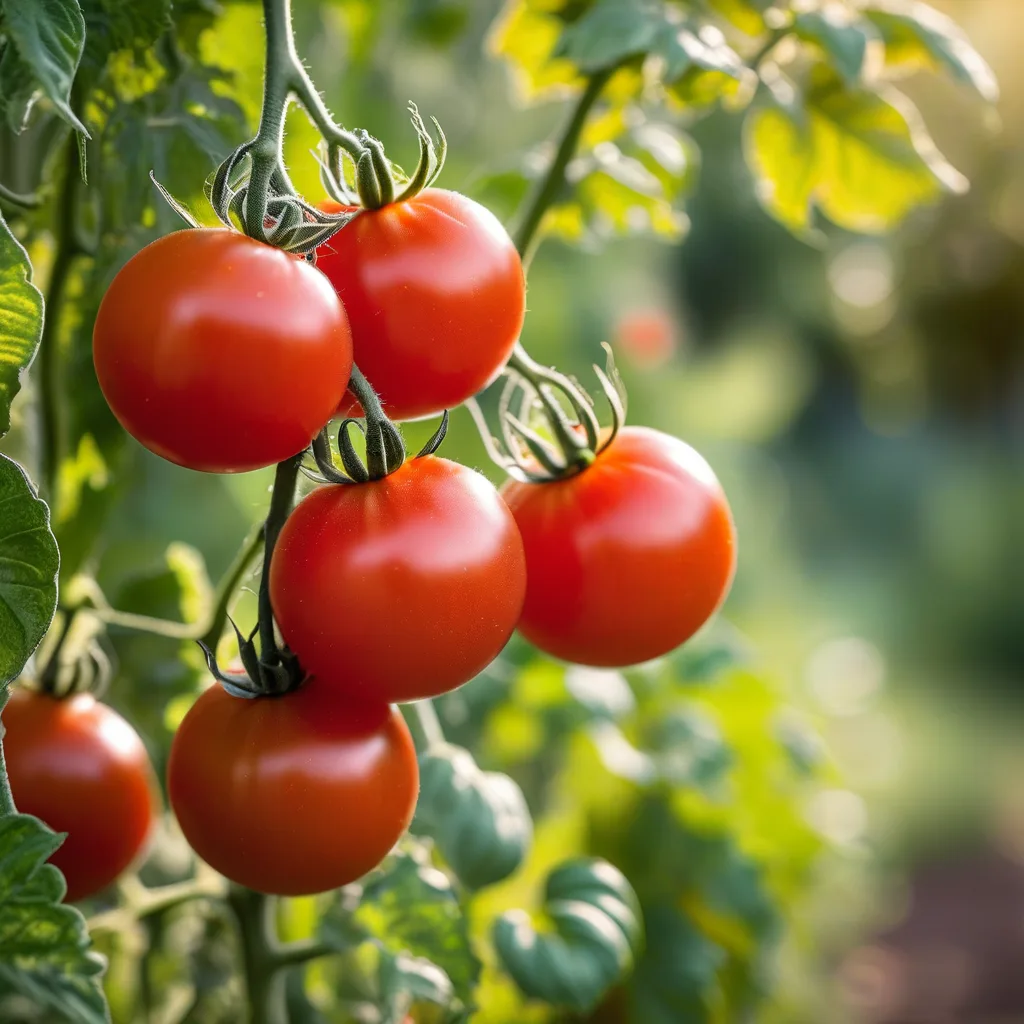
Tomatoes are the most popular plant in American gardens, and they reward a few simple habits.
⭐ Top picks for this job
- Tomato cagesSturdy support for heavy plants.
- Organic vegetable fertilizerSlow-release feeding all season.
- Straw mulchHolds moisture, blocks weeds.
Give them full sun and warm soil
Tomatoes need at least 6–8 hours of direct sun. Wait to plant them out until after your last frost, when nights stay above about 50°F. Cold soil stalls them.
Plant them deep
Tomatoes grow roots along any part of the stem that's buried. Pinch off the lower leaves and plant the stem deep, or lay it sideways in a trench. More roots means a sturdier plant.
Support them early
Put cages or stakes in at planting time, before roots spread. Heavy-duty cages work for most varieties; tall indeterminate types do best on strong stakes.
Water deeply and evenly
Uneven watering is the main cause of blossom end rot, the dark sunken patch on the bottom of the fruit. Water deeply at the base of the plant and keep it steady. A soaker hose and a layer of mulch make this easy.
Feed them
Mix compost or a balanced organic vegetable fertilizer into the planting hole, then follow the label as the plants start to set fruit.
Pick at the right time
Harvest when the fruit is fully colored and gives slightly when squeezed. If frost threatens, pick green tomatoes and ripen them indoors.
Gear for this job
- Tomato cages: Sturdy support for heavy plants.
- Organic vegetable fertilizer: Slow-release feeding all season.
- Straw mulch: Holds moisture, blocks weeds.
- Soaker hose: Waters roots, not leaves.
- Garden stakes: For peppers and anything that flops.
- Seedling heat mat: Peppers and tomatoes sprout in days instead of weeks.