Your November garden checklist
Ten jobs that make next spring easier: garlic, bulbs, leaves, tools and soil.
This post contains affiliate links. If you buy through them we may earn a commission, at no extra cost to you. Learn more.
The growing season is winding down across most of the country, but November is one of the most useful months in the garden. What you do now decides how fast you get going in spring.
⭐ Top picks for this job
- Flower bulb assortmentPlant in fall for spring color.
- Leaf mulcherTurns fall leaves into free mulch.
- Straw mulchHolds moisture, blocks weeds.
1. Plant garlic
In Zones 3–7, plant garlic from mid-October until the ground freezes. Break the bulb into cloves, plant them pointy end up about 2 inches deep and 6 inches apart, then cover the bed with 4–6 inches of straw. They'll root this fall and be ready to harvest next July.
2. Get spring bulbs in the ground
Tulips, daffodils and crocus need a cold winter to bloom. Plant tulips and daffodils about 6–8 inches deep, pointy end up, any time before the ground freezes. Daffodils are a good pick if you have deer or squirrels, because they leave them alone.
3. Turn fallen leaves into free mulch
Don't bag your leaves. Run them over with a mower or a leaf mulcher and spread them on beds, or pile them up to make leaf mold. Shredded leaves break down faster and won't mat down.
4. Sow native wildflowers
Many native wildflowers, like milkweed and coneflower, need cold, wet weather to sprout. Late fall is the easiest time to sow them: scatter seed on bare soil, press it in, and let winter do the work.
5. Test your soil
Fall is the best time to test soil, because lime and other amendments have all winter to work. A simple home kit tells you your pH; most vegetables like it between 6.0 and 7.0.
6. Add compost to empty beds
Spread an inch or two of compost over beds you've cleared. Worms and winter weather will work it in for you.
7. Clean and sharpen your tools
Scrape off soil, sharpen pruners and shovels, and wipe metal with a little oil so it doesn't rust. Sharp tools make cleaner cuts that heal faster.
8. Drain and store hoses
Water left in a hose can freeze, split it and damage outdoor faucets. Drain hoses and coil them on a reel or bring them inside.
9. Keep planting if you're in the South
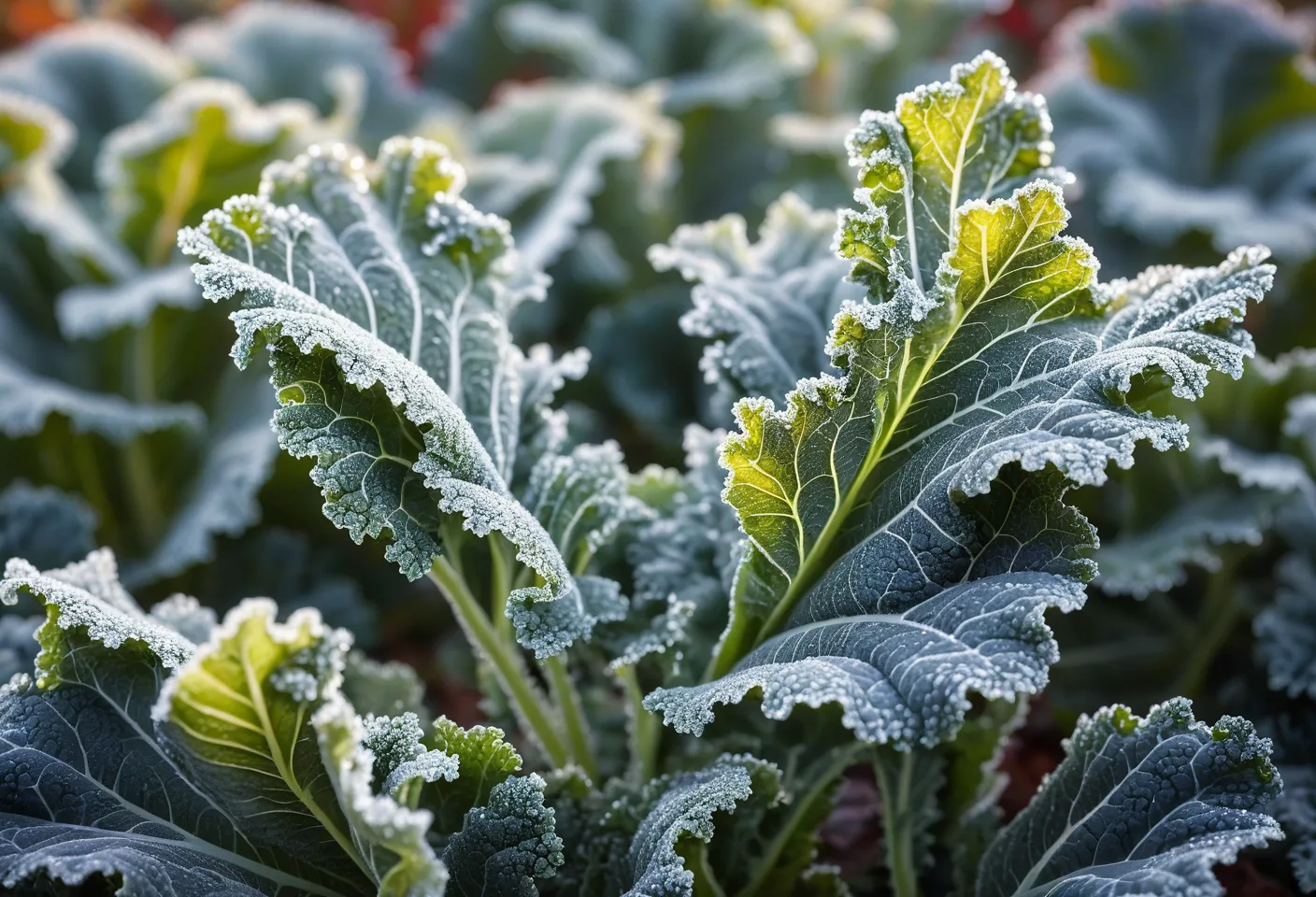
In Zones 8–10, November is prime time for lettuce, spinach, kale, carrots and other cool-season crops.
10. Plan next year
Write down what grew well and what didn't while you still remember. Our planting calendar will give you the start dates for spring.
Gear for this job
- Flower bulb assortment: Plant in fall for spring color.
- Leaf mulcher: Turns fall leaves into free mulch.
- Straw mulch: Holds moisture, blocks weeds.
- Soil test kit: Know your pH before you add anything.
- Hose reel: No more tangled hose.
- Pruning shears: Bypass pruners for clean cuts.