How to feed backyard birds in winter
The seed most birds love, where to hang feeders, and how to keep birds healthy.
This post contains affiliate links. If you buy through them we may earn a commission, at no extra cost to you. Learn more.
Winter is when birds need the most help, and a feeder outside the window brings color to the gray months. Birds that visit in winter often stay to eat garden pests in summer.
⭐ Top picks for this job
- Bird feederBrings songbirds to the yard.
- Bird seedBlack oil sunflower: a bird favorite.
- Bird bathWater draws birds that eat pests.
Choose the right seed
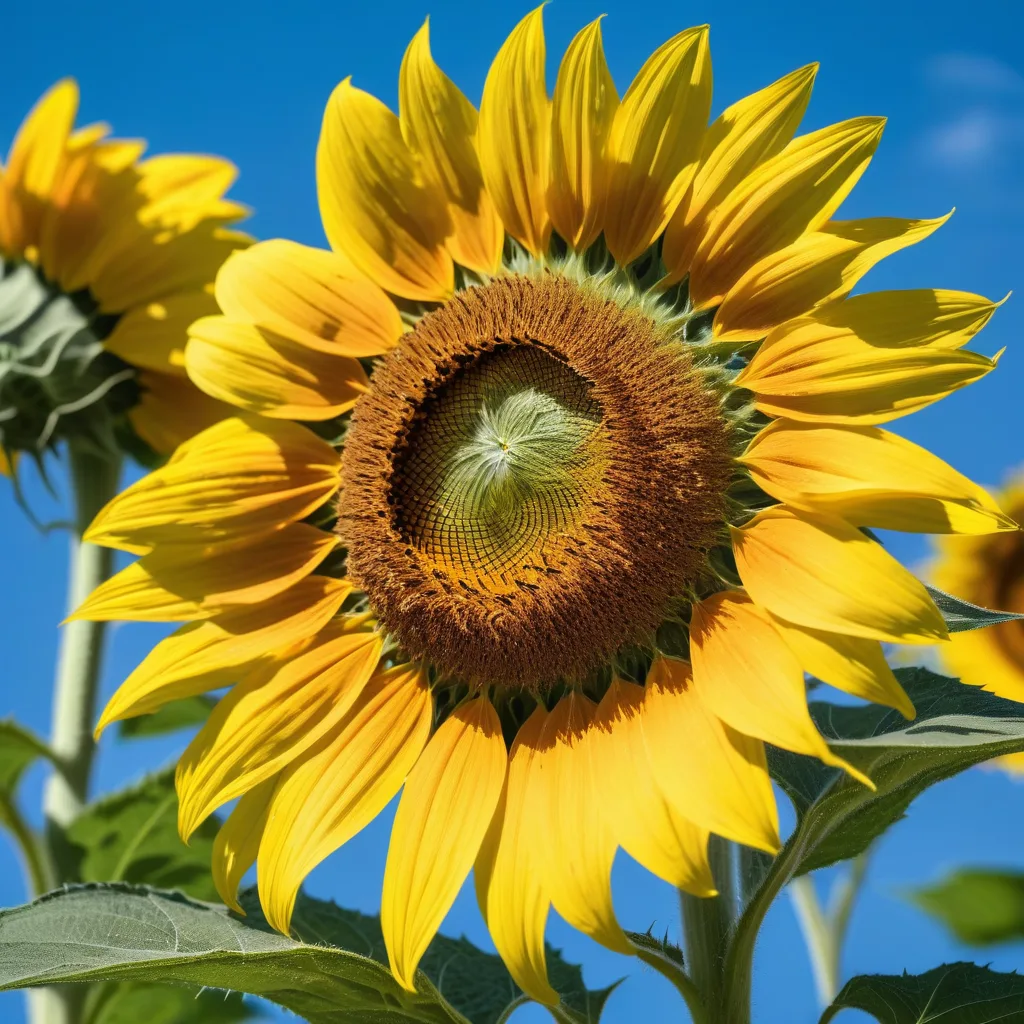
If you only buy one seed, make it black oil sunflower. Its thin shell and high fat content attract the widest range of birds, from chickadees and cardinals to finches and nuthatches. Cheap mixes with lots of filler grain often get kicked to the ground.
Hang feeders in the right place
Put feeders either very close to windows (within about 3 feet) or far from them (more than 30 feet) to cut down on window strikes. A spot near shrubs or trees gives birds a quick place to hide from hawks.
Keep feeders clean
Dirty feeders can spread disease. Clean them every couple of weeks with hot soapy water or a weak bleach solution, rinse well, and let them dry before refilling. Rake up old hulls under the feeder.
Offer water
Unfrozen water can be harder for birds to find in winter than food. A bird bath that you refresh daily, or a heated one, will draw birds that never visit feeders.
Leave the seed heads
Don't cut down coneflowers, black-eyed Susans and sunflowers in fall. Their seed heads feed goldfinches and other birds through the winter, and the stems shelter overwintering insects.
Plan for spring visitors
Winter is a good time to set out a butterfly house or bee house, so it's in place when pollinators wake up.
Gear for this job
- Bird feeder: Brings songbirds to the yard.
- Bird seed: Black oil sunflower: a bird favorite.
- Bird bath: Water draws birds that eat pests.
- Butterfly house: Shelter for pollinators.
- Mason bee house: A home for native bees.
- Garden gloves: Breathable with a grippy palm.